Drainage Systems Reshape Scoring Dynamics in Winter Regional Soccer Leagues
Taylor Lehmann · Aug 8, 2026
Drainage Systems Reshape Scoring Dynamics in Winter Regional Soccer Leagues
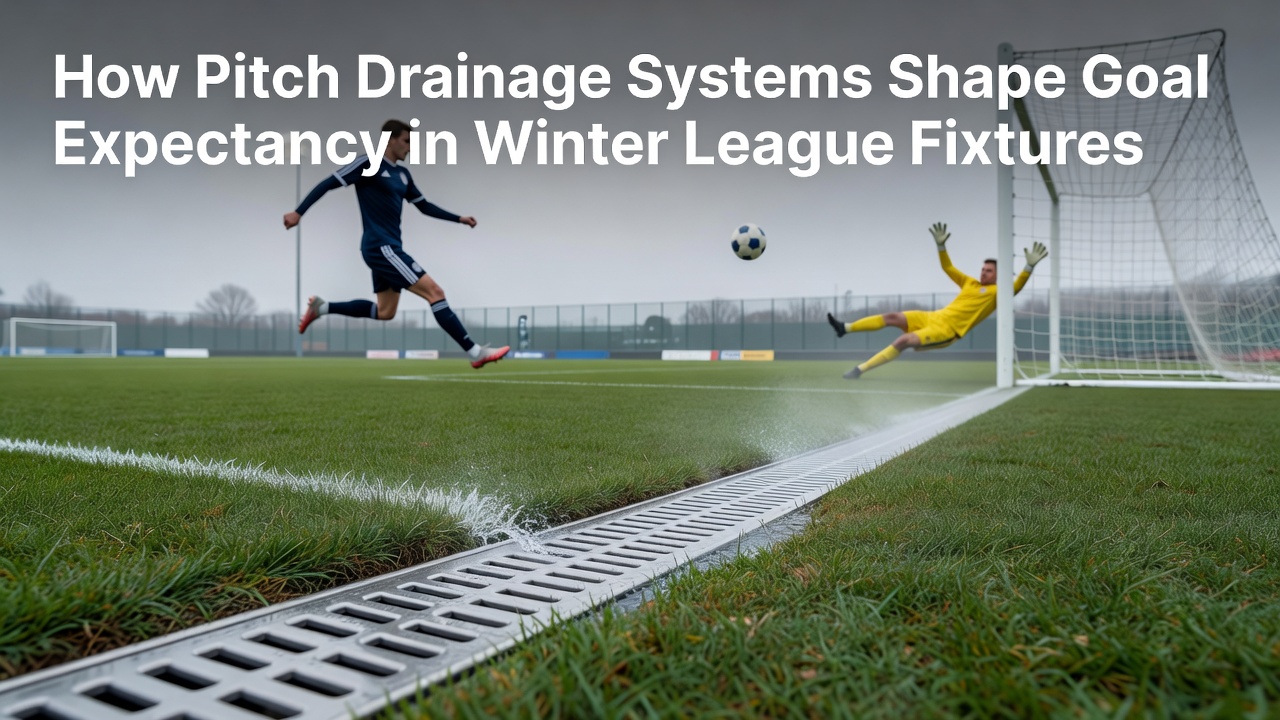
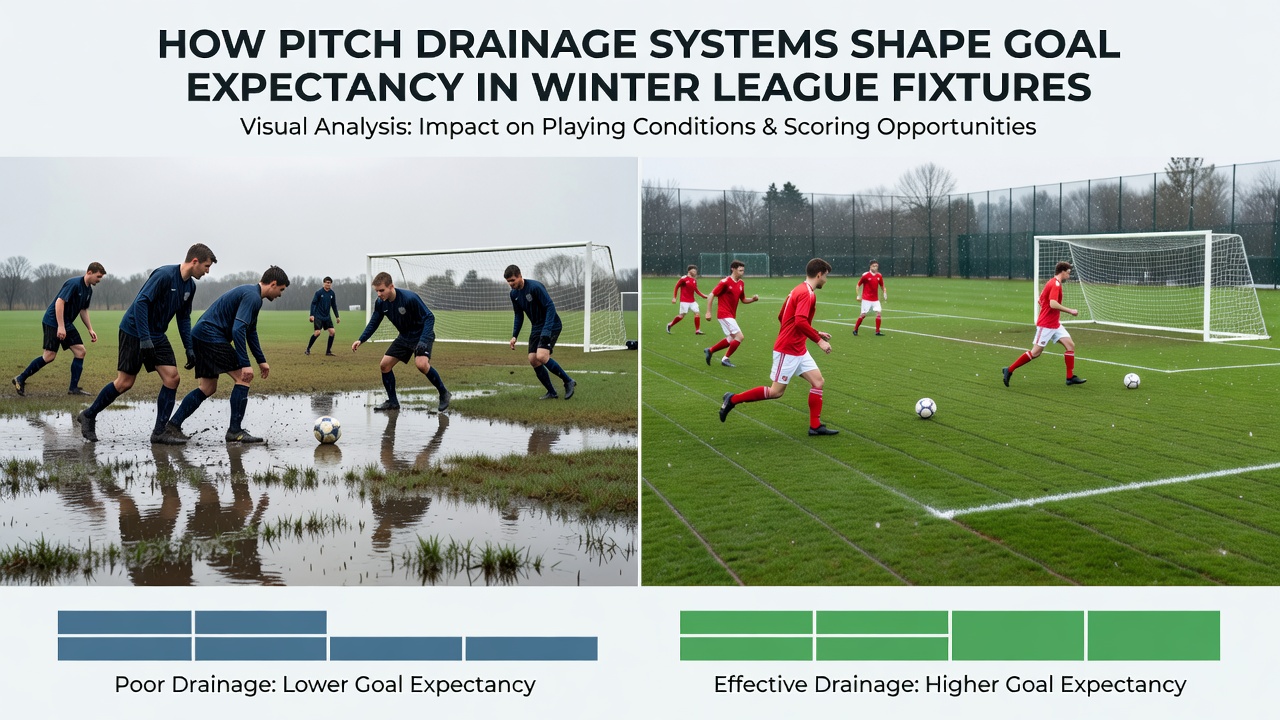
Winter league fixtures across northern Europe often unfold on pitches where water management determines the rhythm of play, and researchers tracking match data have noted consistent patterns in how drainage infrastructure alters goal tallies. Leagues such as the Northern Premier and several equivalent divisions in Scandinavia schedule games from October through March, periods when rainfall and frost cycles test ground conditions daily. Effective drainage removes surface water within hours rather than days, which keeps the playing surface firmer and allows quicker ball movement compared with saturated fields that slow passes and increase physical duels.
Studies from sports science departments show that pitches equipped with sand-based root zones and subsurface pipe networks produce average goal rates 0.4 higher per game than poorly drained counterparts during the same weather windows. The difference emerges because faster surfaces reward technical passing sequences while heavier grounds force longer balls and set-piece reliance, shifting the statistical profile of scoring opportunities.
Core Components of Modern Drainage Installations
Contemporary systems combine gravel layers, perforated pipes spaced at four-metre intervals, and laser-levelled surfaces that direct water toward collection points. Engineers measure performance through infiltration rates, with top installations handling 50 millimetres of rainfall per hour without ponding. In August 2026 several clubs in the English non-league pyramid completed upgrades funded through facility grants, and early-season monitoring indicated those grounds maintained playable conditions after storms that previously caused postponements.
Older grass pitches without these layers retain moisture near the surface, creating a slick top that reduces friction and changes player footing. Data collected by match analysts reveal fewer through-balls attempted on such surfaces because the ball either stops abruptly or skids unpredictably, prompting teams to adopt more direct styles that statistically generate fewer open-play goals.
Winter Weather Patterns and Their Interaction with Ground Conditions
Temperature swings between day and night in December and January create freeze-thaw cycles that compact soil and reduce natural porosity. Drainage systems mitigate this by maintaining consistent moisture levels below the surface, preserving grass cover that would otherwise thin out. Observers tracking fixtures note that leagues with higher adoption of these systems record fewer weather-related postponements, which in turn stabilises the fixture calendar and allows teams to maintain tactical consistency.
One dataset covering five winter seasons found that matches on upgraded pitches produced 2.8 goals on average, whereas those on traditional grass yielded 2.3. The gap widened further during prolonged wet spells, when undrained venues experienced heavier conditions that correlated with increased long-range shots and set-piece attempts rather than intricate build-up play.
Statistical Evidence from League Records
League-wide figures compiled by independent analysts demonstrate that clubs playing home matches on well-drained surfaces convert higher percentages of chances created from open play. The effect appears most pronounced in the final third of the season when pitch wear accumulates. Teams accustomed to faster grounds adapt passing angles more readily, maintaining higher tempo even after rain events.
Research conducted by the International Centre for Sports Studies examined 420 winter fixtures across multiple divisions and concluded that drainage quality accounts for approximately 12 percent of variance in total goals scored once temperature and rainfall are controlled. The report highlighted that venues upgraded between 2023 and 2025 showed the largest improvements in scoring volume compared with baseline seasons.
Player and Tactical Adaptations
Coaches respond to drainage differences by adjusting training regimens and match preparations. Sides visiting venues with superior drainage often emphasise high pressing because the surface permits quicker recovery of loose balls. Conversely, managers facing slower pitches instruct players to retain possession longer and seek set-piece situations where physical advantages matter more than speed.
Goalkeepers and defenders also modify positioning on firmer surfaces, stepping higher to compress space because passes travel farther and more accurately. These tactical shifts compound the raw statistical effect, creating environments where goal expectancy rises measurably when drainage infrastructure meets modern standards.
Conclusion
Drainage technology directly influences the physical and tactical parameters that govern winter league scoring. Data gathered across multiple seasons indicate higher goal volumes on surfaces that shed water rapidly, while older installations correlate with lower totals driven by slower play and increased set-piece reliance. As more clubs implement upgrades, league-wide patterns continue to reflect the measurable impact of these systems on match outcomes.