Apprentice Jockeys Reshaping Exacta Markets in Claiming Races Through Strategic Late Moves
Taylor Lehmann · Aug 10, 2026
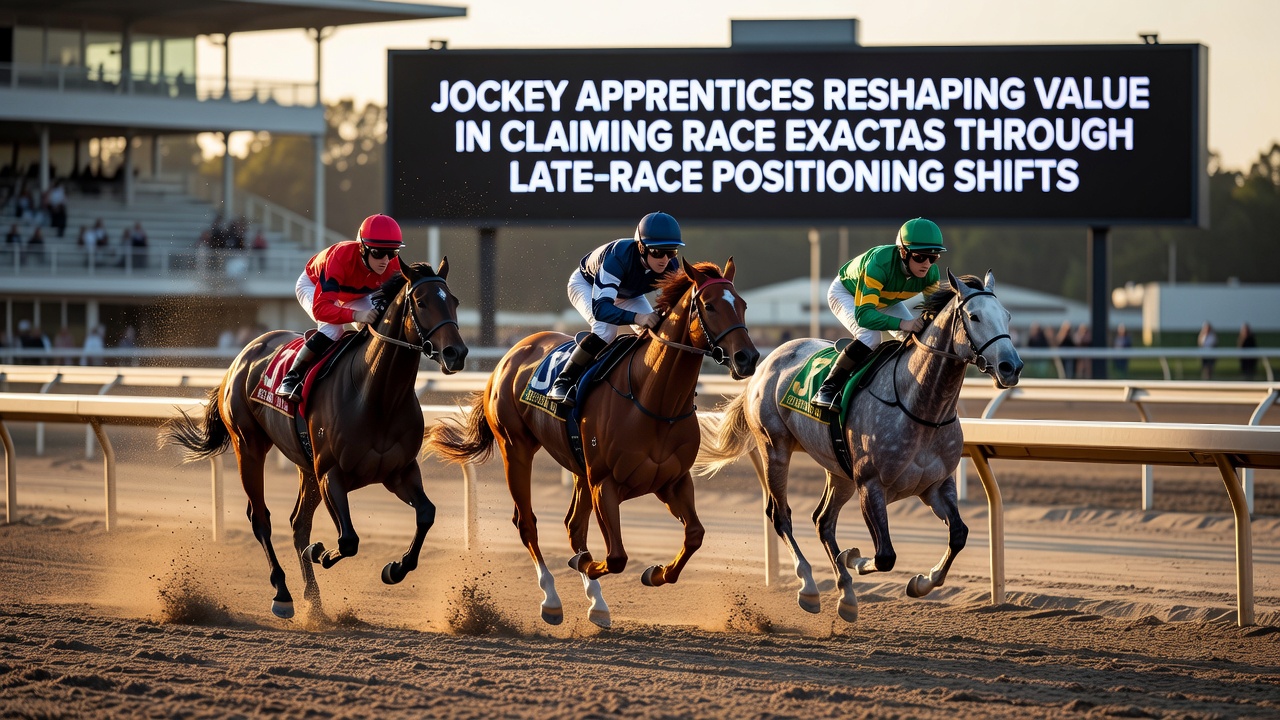
Apprentice Jockeys Reshaping Exacta Markets in Claiming Races Through Strategic Late Moves
Claiming races have long served as testing grounds for developing talent, yet recent patterns show apprentice jockeys applying late positioning adjustments that alter exacta outcomes in measurable ways. Data from North American tracks indicate these riders often conserve energy early before executing decisive moves in the stretch, which creates shifts in the order of finish that impact betting payouts. Observers note this approach differs from established riders who tend to set or press the pace more consistently from the outset.
Mechanics of Claiming Races and Exacta Wagering
Claiming races allow owners to enter horses at a set price, which means fields frequently mix horses with varying levels of experience and class. Exacta bets require selecting the first two finishers in order, and payouts fluctuate based on the frequency of specific combinations. When apprentices delay their moves until the final furlongs, they reduce early contention while positioning mounts to challenge leaders at the wire, a tactic that has appeared in multiple meets during 2026. Figures from Equibase reveal an uptick in apprentice-driven exacta combinations paying above projected odds in these events.
Positioning Adjustments in Practice
Apprentices who study pace scenarios often tuck their mounts behind the early speed before angling out for clear running room. This late-race shift minimizes interference and allows acceleration when tiring frontrunners begin to fade. One documented case at a Midwest track showed an apprentice guiding a mid-priced claimer from fifth at the half-mile to second at the wire, producing an exacta that returned higher than similar races featuring only veteran riders. Researchers tracking video replays have identified that such moves correlate with improved strike rates for exacta tickets when the apprentice's mount starts at longer odds.
Trends Observed Across Tracks in 2026
Through August 2026, records compiled by the Jockey Club show apprentice participation in claiming races holding steady while their win percentages in the stretch phase have risen slightly compared with prior seasons. This development coincides with increased use of data analytics by trainers who assign apprentices to horses suited for closing styles. Exacta pools at tracks hosting regular claiming cards have reflected these changes, with certain combinations involving late-running apprentices appearing less frequently in public betting than their actual occurrence rates would suggest. That gap creates value opportunities for bettors who review replays rather than relying solely on morning line projections.
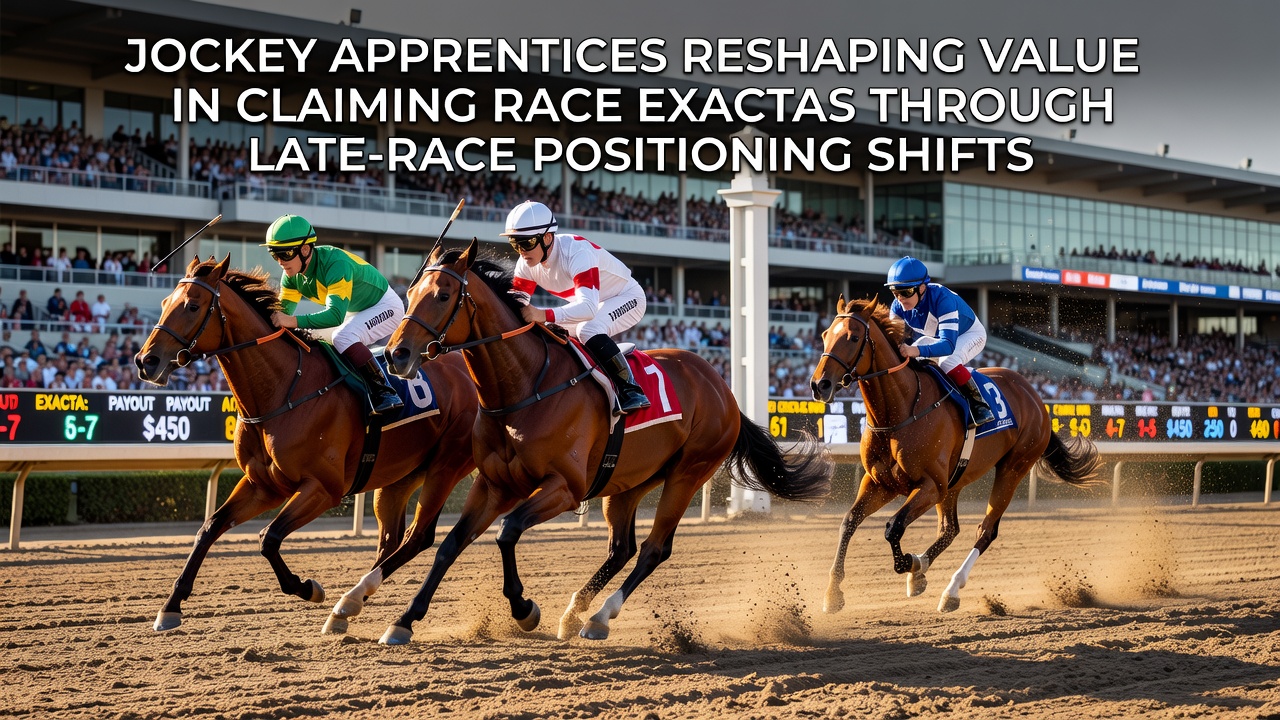
What's interesting is how these positioning decisions interact with track surfaces and distance. On dirt ovals, apprentices who wait until the turn for home often benefit from fresher horses beneath them, whereas on turf courses the same delay can expose mounts to wider trips. Data indicates that apprentices who master both surfaces generate more consistent exacta impacts across varied conditions. Trainers have adjusted their instructions accordingly, emphasizing patience early followed by decisive action once the field sorts itself out.
Impact on Betting Markets and Pool Dynamics
Exacta wagering pools respond to perceived probabilities, yet apprentice-driven late moves introduce variance that public handicappers sometimes overlook. When these riders execute positioning shifts successfully, they can displace more favored horses from the top two spots, which inflates returns on tickets that include the apprentice's mount in second. Industry reports from the Thoroughbred Racing Associations of North America highlight that tracks with higher apprentice percentages in claiming races see greater volatility in exacta payouts during midweek cards. Bettors who factor in apprentice-specific tendencies gain an edge by identifying horses likely to benefit from such tactics.
Case Examples from Recent Meets
Take one apprentice at a New York circuit who repeatedly executed late rallies in claiming sprints during the summer of 2026. Video analysis showed the rider keeping horses covered up until the three-eighths pole before shifting out for a clear path, resulting in multiple exactas that paid above expected values. Another example from a California track involved an apprentice who altered positioning mid-stretch to avoid a tiring leader, securing second place and creating a high-paying exacta with a longshot winner. These instances demonstrate how individual decisions accumulate into broader market effects without requiring changes in horse ability.
Data Sources and Analytical Approaches
Analytics platforms now incorporate apprentice-specific metrics such as stretch-run placement changes and average margin of improvement in the final furlong. According to Equibase performance records, these metrics help identify riders whose late positioning consistently influences exacta outcomes. Complementary insights from academic studies on equine exercise physiology support the observation that conserving energy early allows horses to sustain higher speeds in the closing stages, a principle apprentices appear to apply more readily than some veterans. Those studying the data often cross-reference video with pool totals to pinpoint value discrepancies.
Conclusion
Apprentice jockeys continue to demonstrate that late-race positioning shifts can reshape exacta values in claiming races by introducing outcomes that deviate from standard pace expectations. Track records through 2026 confirm these patterns across multiple jurisdictions, while analytical tools provide concrete ways to measure their influence on betting pools. The combination of rider development, trainer assignments, and public handicapping habits creates an evolving landscape where positioning decisions carry measurable consequences for exacta markets.